


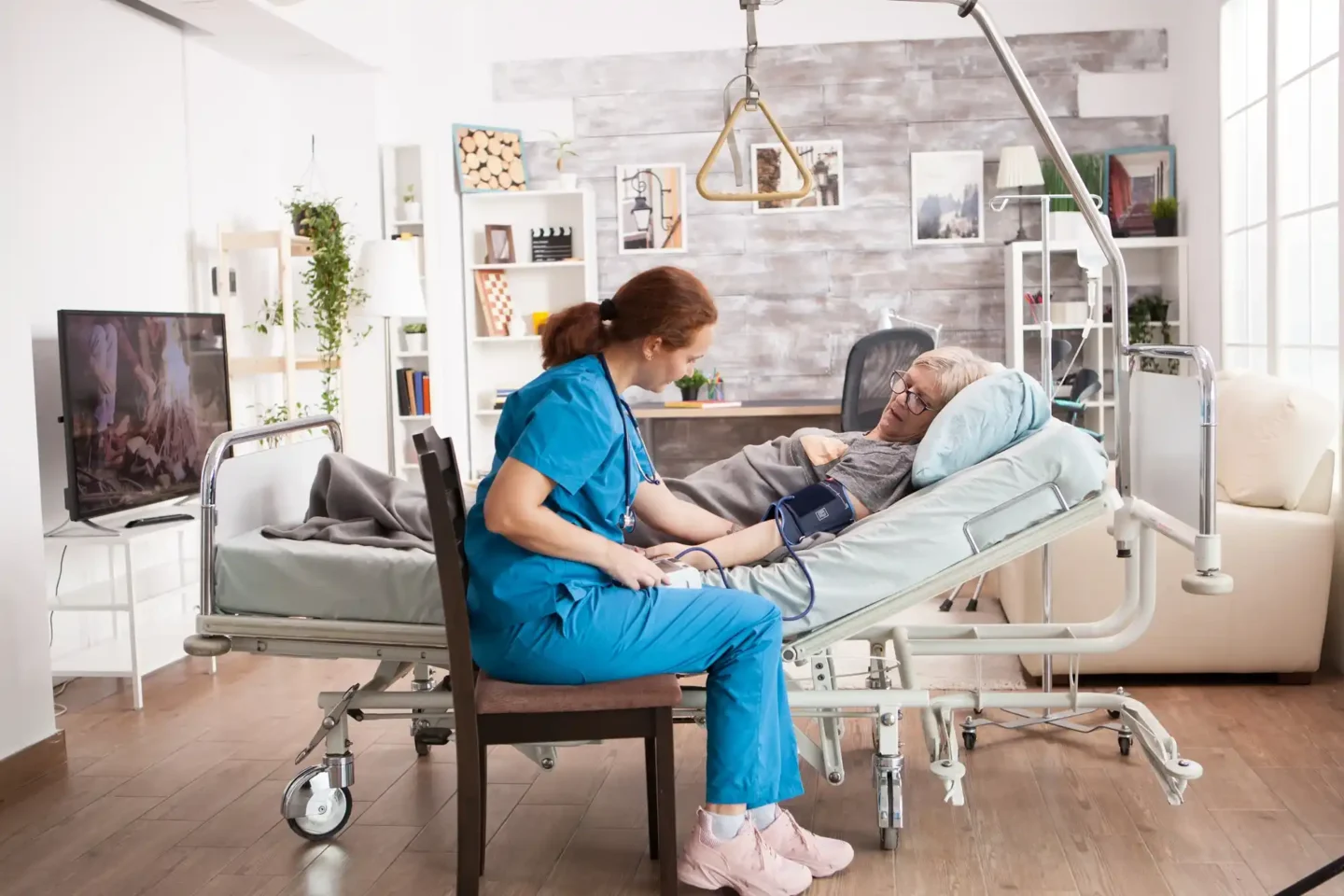
For individuals living with complex disabilities or significant health conditions, daily life may require specialised support and ongoing assistance. High intensity personal care plays an important role in helping NDIS participants manage complex needs safely while maintaining comfort, dignity, and independence. These supports are delivered by trained and experienced professionals who understand how to provide advanced care in a respectful and person centred way.
At Home Assistance is committed to providing compassionate and reliable support tailored to the individual needs of participants. Through professional NDIS personal care and complex care support, individuals can receive the assistance they need while continuing to live safely and confidently in their own homes and communities.
Understanding High Intensity Personal Care
High intensity personal care refers to specialised support provided to NDIS participants who have complex health or personal care needs that require skilled assistance. These supports involve tasks that may carry a higher level of risk and therefore must be delivered by appropriately trained support workers or healthcare professionals.
The aim of high intensity personal care is to help participants manage their health conditions while improving quality of life and promoting independence wherever possible. Support is tailored to each individual’s circumstances, ensuring they receive safe and effective care that aligns with their personal goals and daily routines.
These services are often essential for participants with physical disabilities, neurological conditions, chronic illnesses, or medical complexities that impact their ability to perform everyday activities independently.
What Does High Intensity Personal Care Include?
High intensity personal care can involve a wide range of specialised supports depending on the participant’s needs. Some common examples include assistance with complex bowel care, enteral feeding and management, urinary catheter support, diabetes management, severe dysphagia support, ventilation support, and medication administration.
Participants may also require support with mobility, transfers, personal hygiene, dressing, and other daily living activities alongside more advanced healthcare related tasks.
Because these supports involve higher risks, carers and support workers providing complex care support must undergo appropriate training and follow strict safety procedures to ensure participants receive the highest standard of care.
The Importance of NDIS Personal Care
NDIS personal care is designed to support participants with activities they may find difficult due to disability or health related challenges. While standard personal care may involve assistance with grooming, bathing, and dressing, high intensity personal care goes further by addressing more complex and specialised support needs.
These services are essential because they allow individuals to continue living in familiar environments while receiving professional support tailored to their medical and personal requirements. Rather than relying on hospital or residential care settings, participants can enjoy greater comfort, independence, and flexibility in their daily lives.
Personalised support also encourages participants to remain involved in their communities, maintain social connections, and achieve their individual goals with confidence.
How High Intensity Personal Care Supports Independent Living
Many people with complex support needs want to maintain control over their lives and continue living independently for as long as possible. High intensity personal care helps make this possible by providing reliable assistance that promotes both safety and personal choice.
Support workers and healthcare professionals collaborate closely with participants, families, and medical teams to create customised care plans. These plans focus on ensuring participants receive appropriate support while respecting their preferences, routines, and independence.
By receiving complex care support at home, participants can continue enjoying familiar surroundings, spending time with loved ones, and participating in activities that matter to them. This has a positive impact on emotional wellbeing, confidence, and overall quality of life.
The Role of Skilled Support Workers
Providing high intensity personal care requires more than basic caregiving skills. Support workers involved in delivering these services must be trained to handle complex situations safely and effectively. This includes understanding medical procedures, monitoring health conditions, recognising signs of complications, and responding appropriately during emergencies.
Professional support workers also play an important role in building trust and emotional comfort for participants. Compassionate care helps individuals feel respected, valued, and supported in their everyday lives.
At Home Assistance understands the importance of skilled and experienced carers in delivering high quality NDIS personal care. The focus is always on creating a safe and supportive environment where participants feel empowered and cared for.
Benefits of Complex Care Support
Complex care support provides numerous benefits for both participants and their families. One of the most significant advantages is improved safety and health management. Trained professionals can monitor health conditions closely, reducing risks and helping to prevent complications.
Another important benefit is reduced pressure on family members and carers. Caring for someone with complex needs can be physically and emotionally demanding. Professional support helps families feel reassured that their loved ones are receiving expert care while also allowing carers to maintain balance in their own lives.
Complex care support also improves overall wellbeing by helping participants maintain routines, achieve personal goals, and enjoy greater comfort and independence.
Choosing the Right NDIS Personal Care Provider
Finding the right provider is essential when it comes to high intensity personal care. Participants should look for a provider that prioritises safety, professionalism, compassion, and personalised support.
At Home Assistance is dedicated to delivering high quality care that respects the individuality and dignity of every participant. By working closely with participants and their families, the team ensures support plans are flexible, responsive, and tailored to changing needs.
Reliable communication, experienced staff, and a strong commitment to participant wellbeing are all key qualities that make a difference in the delivery of complex care support.
Final Thoughts
High intensity personal care under the NDIS is an essential service for individuals living with complex disabilities and medical needs. It provides specialised assistance that promotes safety, independence, and improved quality of life.
Through professional NDIS personal care and compassionate complex care support, participants can continue living comfortably in their homes while receiving the expert assistance they require. At Home Assistance is proud to support individuals with tailored care solutions that empower them to live with dignity, confidence, and greater independence every day.