


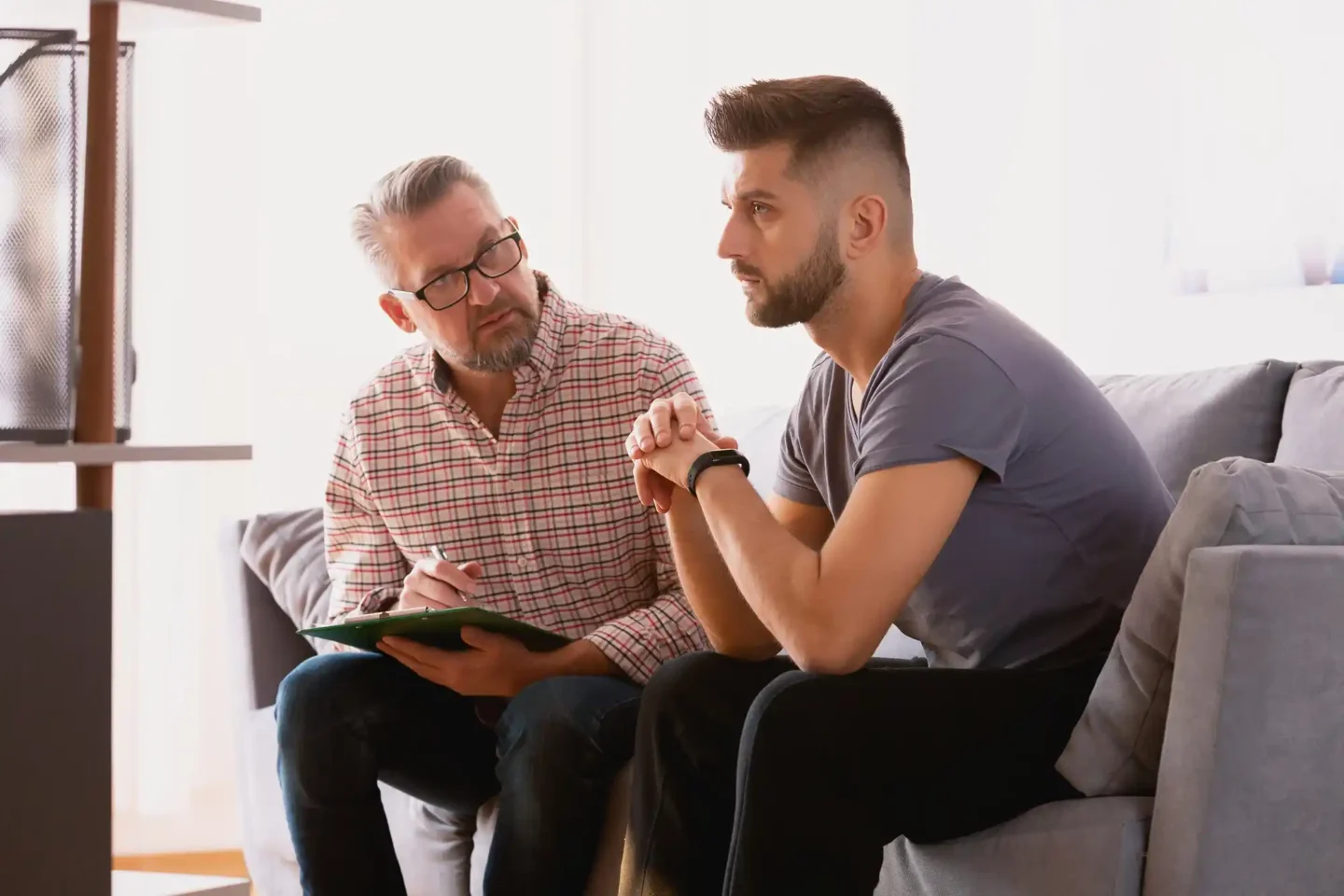
Mental health challenges can affect many aspects of daily life, including relationships, confidence, employment, and the ability to participate in the community. For individuals living with psychosocial disabilities, having the right support system can make a meaningful difference in achieving personal goals and improving overall wellbeing. This is where recovery coaching services play an important role under the NDIS.
At Home Assistance is dedicated to providing compassionate and person centred support that empowers participants on their mental health recovery journey. Through tailored NDIS psychosocial support and mental health recovery support, participants are encouraged to build confidence, strengthen independence, and create a more positive and fulfilling future.
What Are Recovery Coaching Services?
Recovery coaching services are specialised supports designed to help individuals living with psychosocial disabilities manage daily challenges and work towards personal recovery goals. A recovery coach works alongside participants to help them develop practical strategies, build resilience, and access the support systems they need to improve their quality of life.
Unlike traditional support services that may focus only on immediate care needs, recovery coaching takes a holistic and collaborative approach. The focus is on empowering participants to understand their strengths, gain greater control over their lives, and actively participate in decisions related to their wellbeing.
Recovery coaches also help participants navigate the NDIS, connect with community resources, and coordinate supports that align with their goals and recovery plans.
Understanding NDIS Psychosocial Support
NDIS psychosocial support is specifically designed for individuals whose mental health conditions significantly impact their daily functioning. These supports aim to improve independence, social participation, and emotional wellbeing while helping participants manage the effects of their condition more effectively.
Psychosocial support can include assistance with building routines, improving communication skills, attending appointments, developing coping strategies, and increasing community engagement. Recovery coaching services are an important part of this support system because they focus on long term growth and personal empowerment.
At Home Assistance understands that every participant experiences mental health challenges differently. This is why support plans are personalised to reflect individual needs, goals, preferences, and circumstances.
How Recovery Coaching Supports Mental Health Recovery
Mental health recovery is a deeply personal journey. Recovery does not always mean the complete absence of symptoms but rather the ability to live a meaningful and satisfying life despite ongoing challenges. Recovery coaching services help participants move towards this goal by providing guidance, encouragement, and practical support.
One of the key benefits of mental health recovery support is the development of confidence and self awareness. Recovery coaches help participants identify their strengths, recognise progress, and build the skills needed to manage daily life more independently.
Participants are also supported in setting realistic and achievable goals related to education, employment, social participation, and personal wellbeing. By breaking larger goals into manageable steps, recovery coaching can make the recovery journey feel less overwhelming and more achievable.
Building Stronger Connections and Community Participation
Social isolation is a common challenge for many individuals living with psychosocial disabilities. Recovery coaching services encourage participants to reconnect with their communities and build meaningful relationships that contribute to emotional wellbeing and confidence.
At Home Assistance supports participants in exploring community activities, social opportunities, and support networks that align with their interests and goals. This may include attending local events, joining hobby groups, participating in volunteering opportunities, or accessing educational programmes.
Building social connections can help reduce feelings of loneliness, increase confidence, and improve overall mental health. Through ongoing encouragement and support, participants can feel more comfortable engaging with others and becoming active members of their communities.
Developing Daily Living Skills
Mental health conditions can sometimes make it difficult to manage everyday tasks and responsibilities. Recovery coaching services provide practical assistance to help participants build routines and develop important life skills that support independence.
This may include support with time management, budgeting, meal preparation, attending appointments, maintaining personal care, and managing household responsibilities. Recovery coaches work collaboratively with participants to identify areas where support is needed and develop strategies that promote greater independence over time.
These practical skills are essential for improving confidence and helping participants feel more in control of their daily lives.
A Person Centred Approach to Support
At Home Assistance believes that effective mental health recovery support should always be person centred. Every participant has unique experiences, strengths, and goals, which is why support is tailored to meet individual needs rather than following a one size fits all approach.
Recovery coaches take the time to build trusting relationships with participants and understand what matters most to them. This supportive partnership creates a safe and encouraging environment where participants feel heard, respected, and empowered.
By focusing on participant choice and collaboration, recovery coaching services can help individuals feel more confident in making decisions and taking positive steps towards recovery.
Supporting Families and Carers
Mental health challenges can also affect family members and carers who often provide ongoing emotional and practical support. Recovery coaching services can help reduce pressure on families by ensuring participants have access to professional guidance and structured support.
At Home Assistance values the role of families and carers and works collaboratively to ensure everyone involved feels informed and supported. Strong communication and coordinated care help create a positive support network that benefits both participants and their loved ones.
Why Choose At Home Assistance for Recovery Coaching Services?
Choosing the right provider is an important part of the recovery journey. At Home Assistance is committed to delivering compassionate and high quality NDIS psychosocial support that promotes dignity, independence, and wellbeing.
The team focuses on building genuine connections with participants while providing flexible and tailored mental health recovery support. By encouraging personal growth, confidence, and community participation, At Home Assistance helps individuals move towards a more positive and empowered future.
Final Thoughts
Recovery coaching services provide valuable support for individuals living with psychosocial disabilities under the NDIS. Through personalised guidance, practical skill development, and emotional encouragement, participants can work towards greater independence and improved wellbeing.
At Home Assistance is proud to support participants through compassionate mental health recovery support and person centred care. By focusing on strengths, goals, and meaningful progress, recovery coaching can empower individuals to build fulfilling lives and achieve positive outcomes on their recovery journey.